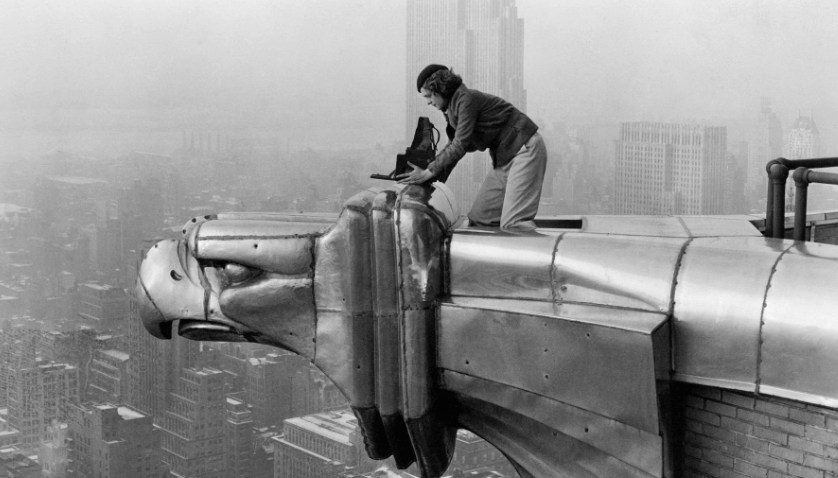
Margaret Bourke-White was a renowned Life magazine photographer from the 1930s into the 1960s. Her exploits included work as the first female war photojournalist and documenting construction of the landmark Chrysler Building in New York City. She traveled with Gen. George Patton’s 3d Army through Germany and photographed Gandhi in India a few hours before his 1948 assassination.
During her youth, shortly after the turn of the 20th century, the groundbreaking Bourke-White was a resident of what later became Middlesex Borough, living with her family at a Hazelwood Avenue home. Their two-story stucco house was built on what was then a one-acre property at the corner of Hazelwood and Dorn avenues that was part of Bound Brook.
There, Bourke-White lived with her parents Joseph and Minnie White and two siblings. The residence was added to the National Register of Historic Places in 1988. Since 2005, it has been the home of former Borough Councilman Bob Edwards and his wife Susen, an author who is a member of the Friends of the Middlesex Library.
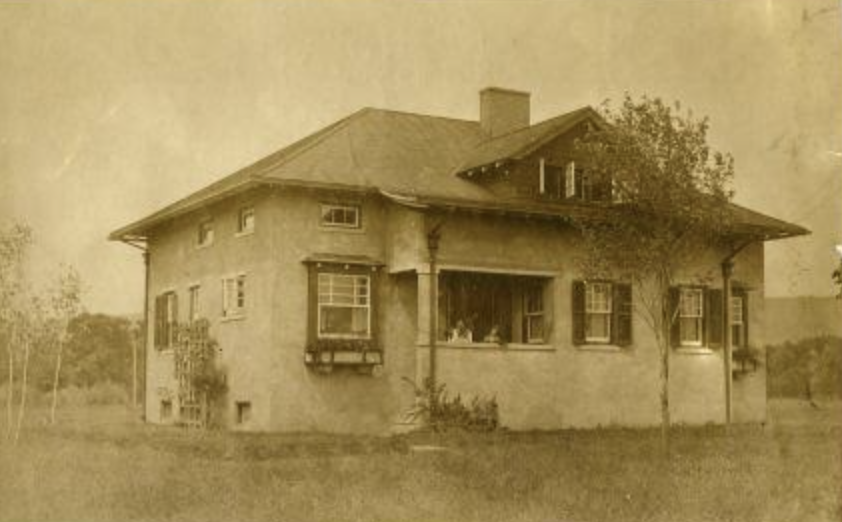
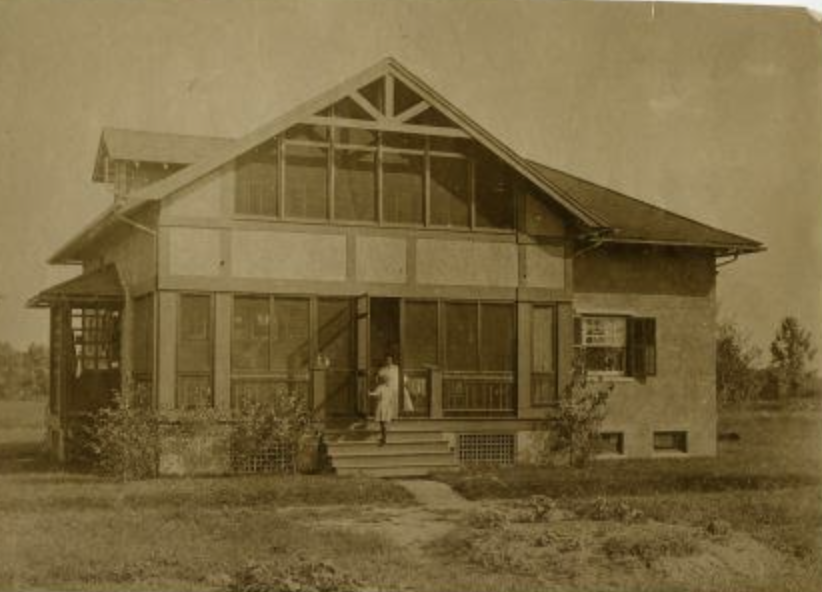
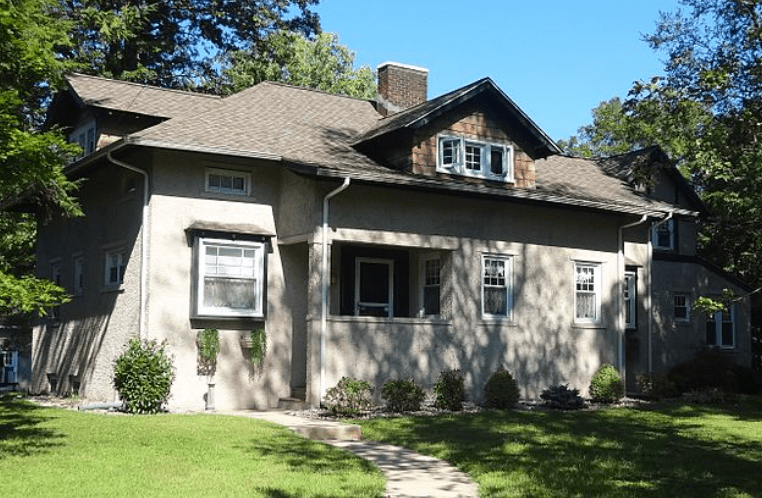
There is a subtle Bourke-White (pronounced Burk-White) theme to the home’s current interior decor. Since moving in two decades ago, Bob and Susen Edwards have read up on the famous photographer who once inhabited their residence.
They’ve collected vintage Life magazines that feature her work. Roughly a dozen years ago, the Edwardses traveled to Syracuse University where the college library houses the Margaret Bourke-White Papers. Bob and Susen Edwards spent several days there, pouring through the collection of biographical material, correspondence and photographs. It includes 10,000 photos and 15,000 negatives.
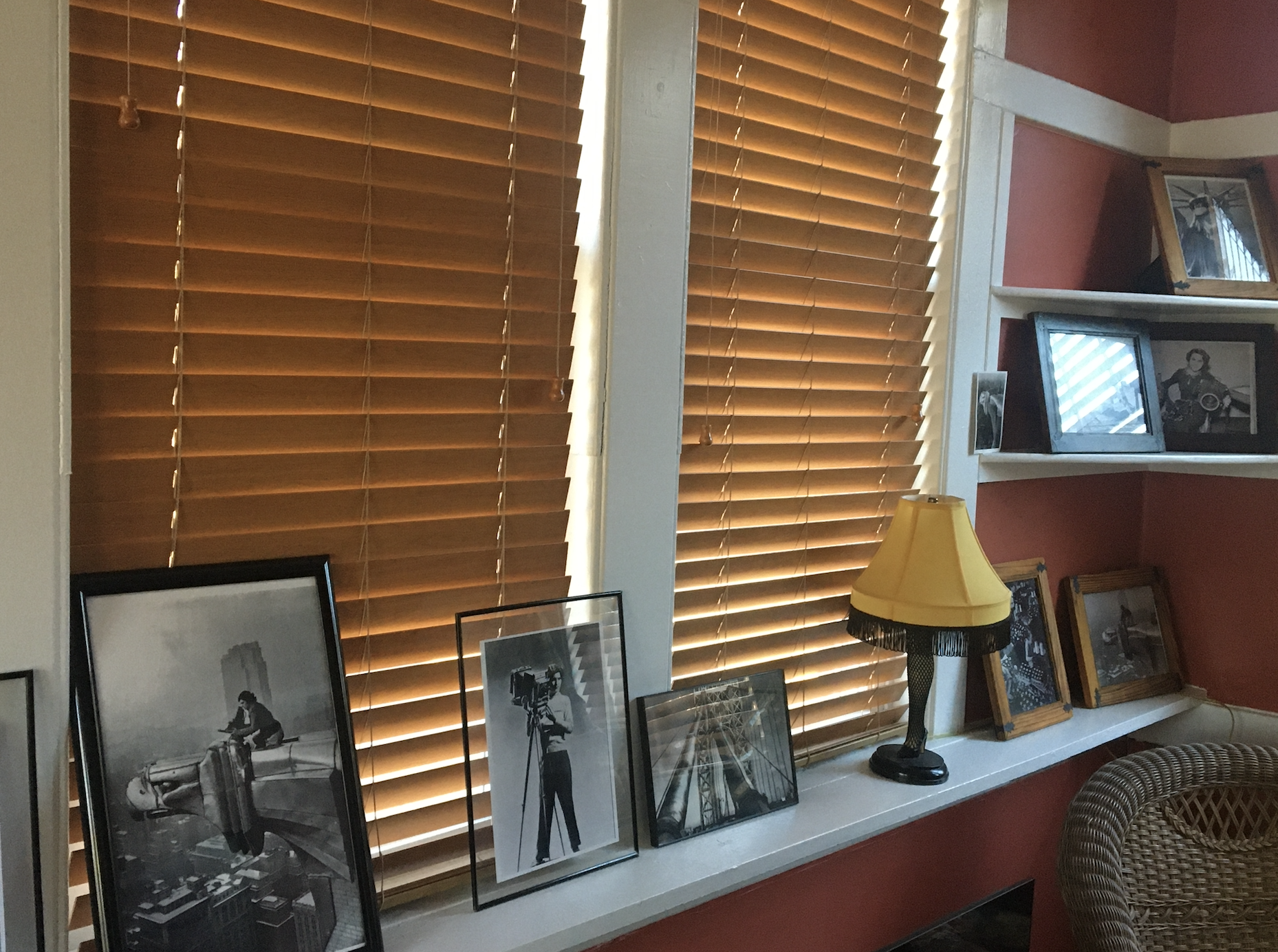
Earlier this year, a side room at the Edwardses’ Hazelwood Avenue home was turned into a type of Margaret Bourke-White gallery. It features framed copies of some of her better known photos.

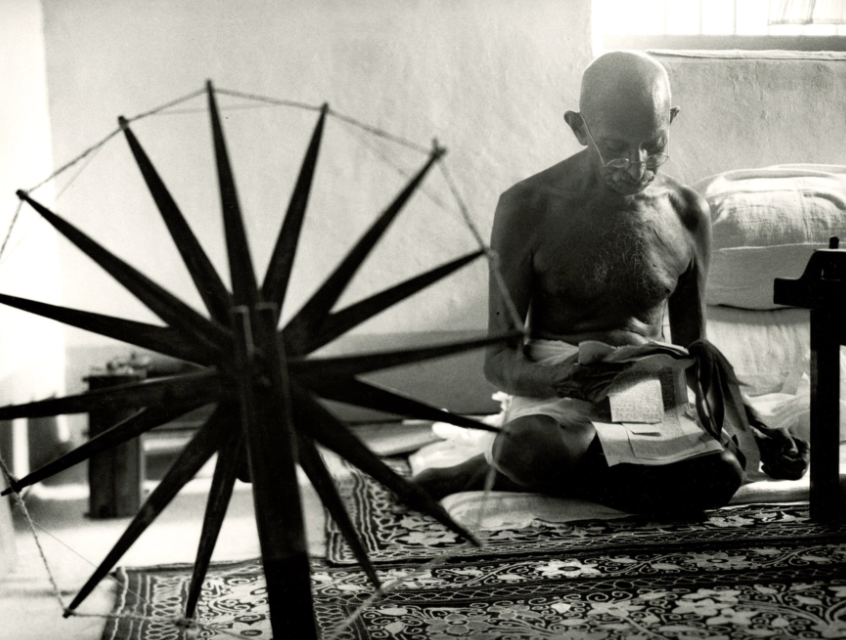
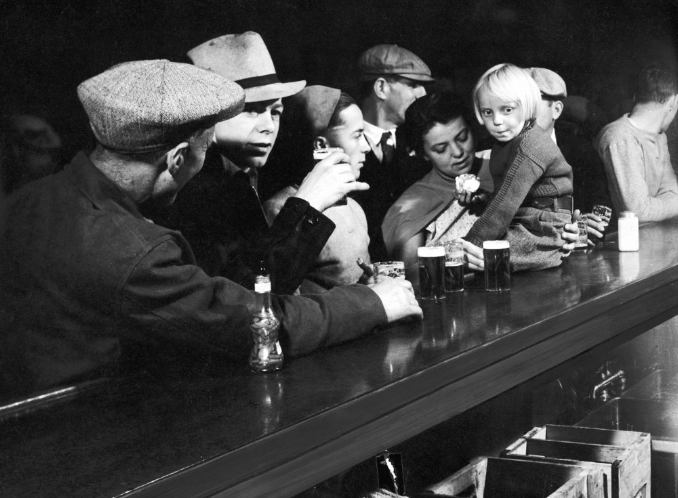
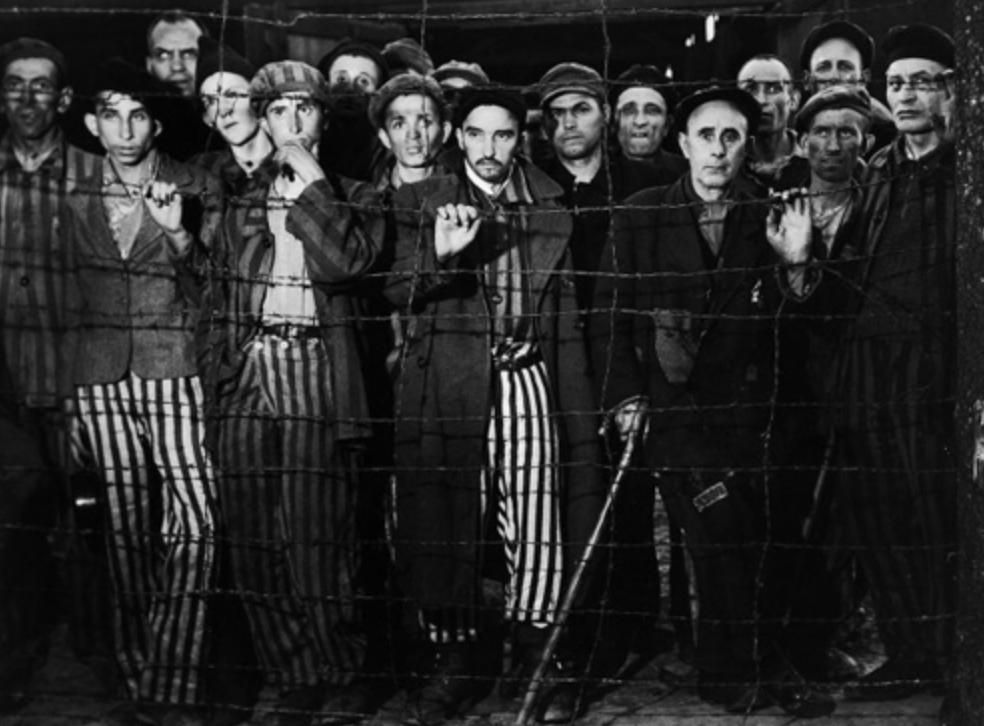
The property deed shows that the Whites purchased the Hazelwood Avenue parcel in 1907, according to Bob Edwards. Some online sources mistakenly put the date a few years earlier. The Edwardses estimate that the site’s residence was completed circa 1910. During the years between the property purchase and home’s completion, the Whites lived in Bound Brook, moving there from the Bronx, N.Y.
The relocation appears rooted in Joseph White’s work for a company in Plainfield. He is credited with several inventions, including the first portable printing press.
Margaret Bourke-White graduated from Plainfield High School. At that time, towns closer to Middlesex tended not to have their own high school. Joseph White passed away in the early 1920s and his wife Minnie sold the Hazelwood Avenue home several years later.
The Roaring Twenties were an eventful time in Margaret’s life. She attended several colleges before graduating from Cornell University in 1926 and had a two-year marriage that ended in divorce. Bourke-White took back her maiden name and linked it to her mother’s maiden name with a hyphen.
While at Cornell, she earned money selling her photographs to the Cornell Alumni News. Bourke-White later opened a studio in Cleveland, focusing her photographic work on the area’s burgeoning industry.
Impressed by her work, publisher Henry Luce later hired Bourke-White to capture industrial images for his new Fortune magazine. She gained notoriety for being the first Western photographer to chronicle life in the Soviet Union. Bourke-White gained access to the communist country through her connections to Cleveland industrialists.
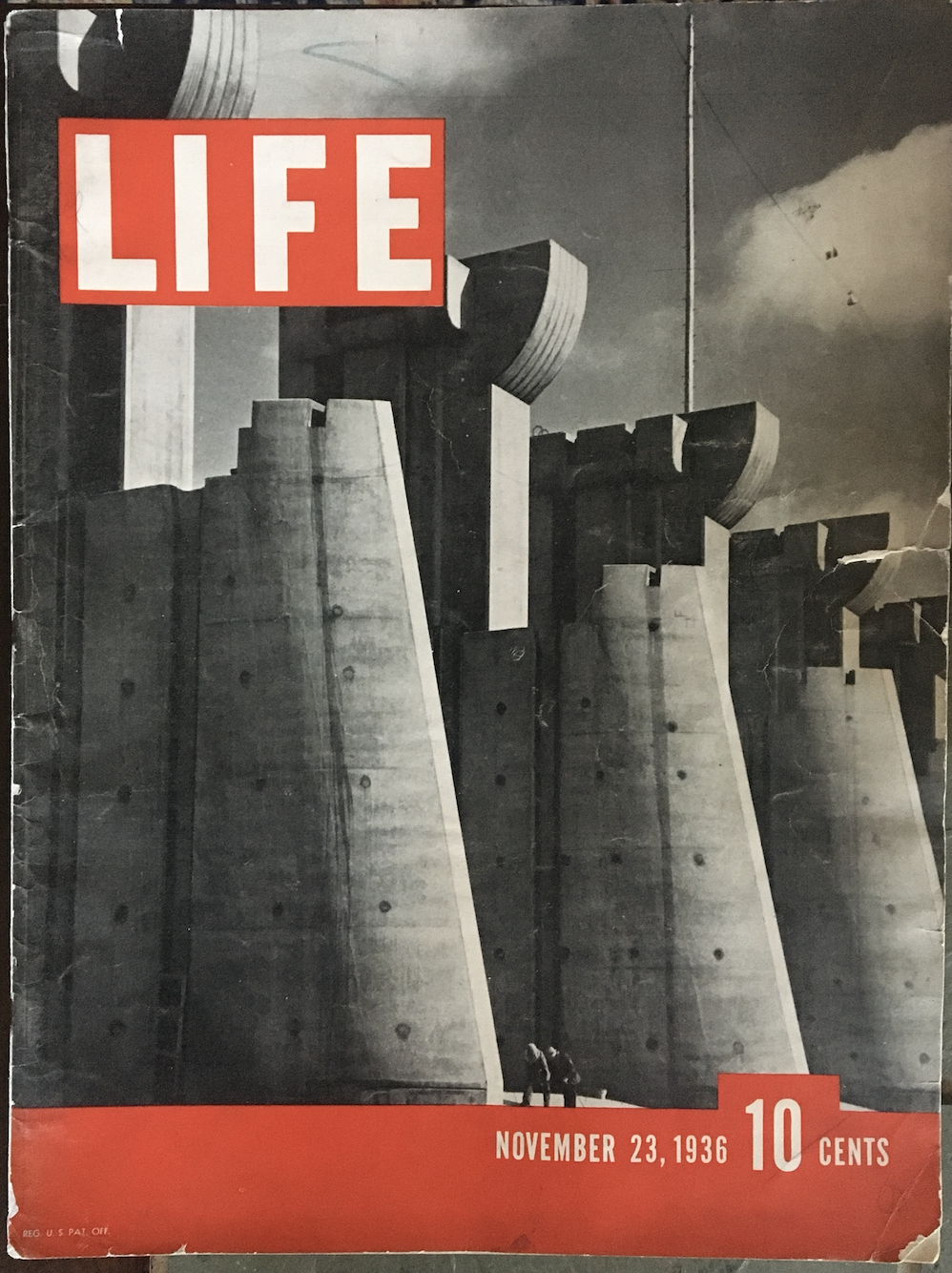
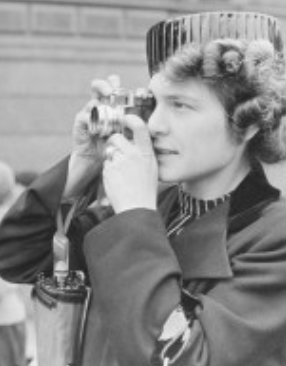
In 1936, Luce hired Bourke-White as his first full-time staff photographer at his new Life magazine. She worked on the publication’s first-ever cover story that November about the Fort Peck Dam in Montana. Her work in later years focused on the nation’s industrialization, social injustice and World War II.
Bourke-White married her second husband and collaborator, author Erskine Caldwell in 1939. They divorced three years later. Bourke-White passed away in Connecticut in 1971 after her working career had ended.
From their knowledge of Bourke-White, the Edwardses see the famous photographer as someone who was persistent and driven by her work. For example, she hounded U.S. military brass to allow certain wartime photographic opportunities, said Bob Edwards. “Women didn’t usually go out on the front lines or go on bombing runs with the Air Force, but she did,” he said.
Other than perhaps some longtime Middlesex residents, few today are aware that one of the 20th century’s great American photographers once resided in the borough.
Life magazine, which showcased Bourke-White’s work, was once a staple of American households. It ceased weekly publication in 1972, more than five decades ago.
The Edwardses, however, remain interested in all things Bourke-White – both the important and minutiae.
While looking through the Syracuse University collection, they came upon a detailed grocery shopping list maintained by Minnie White. It totaled that $18 had been spent in an entire year. The low figure was apparently made possible by an ample garden maintained decades ago in a portion of the White property that was later subdivided.
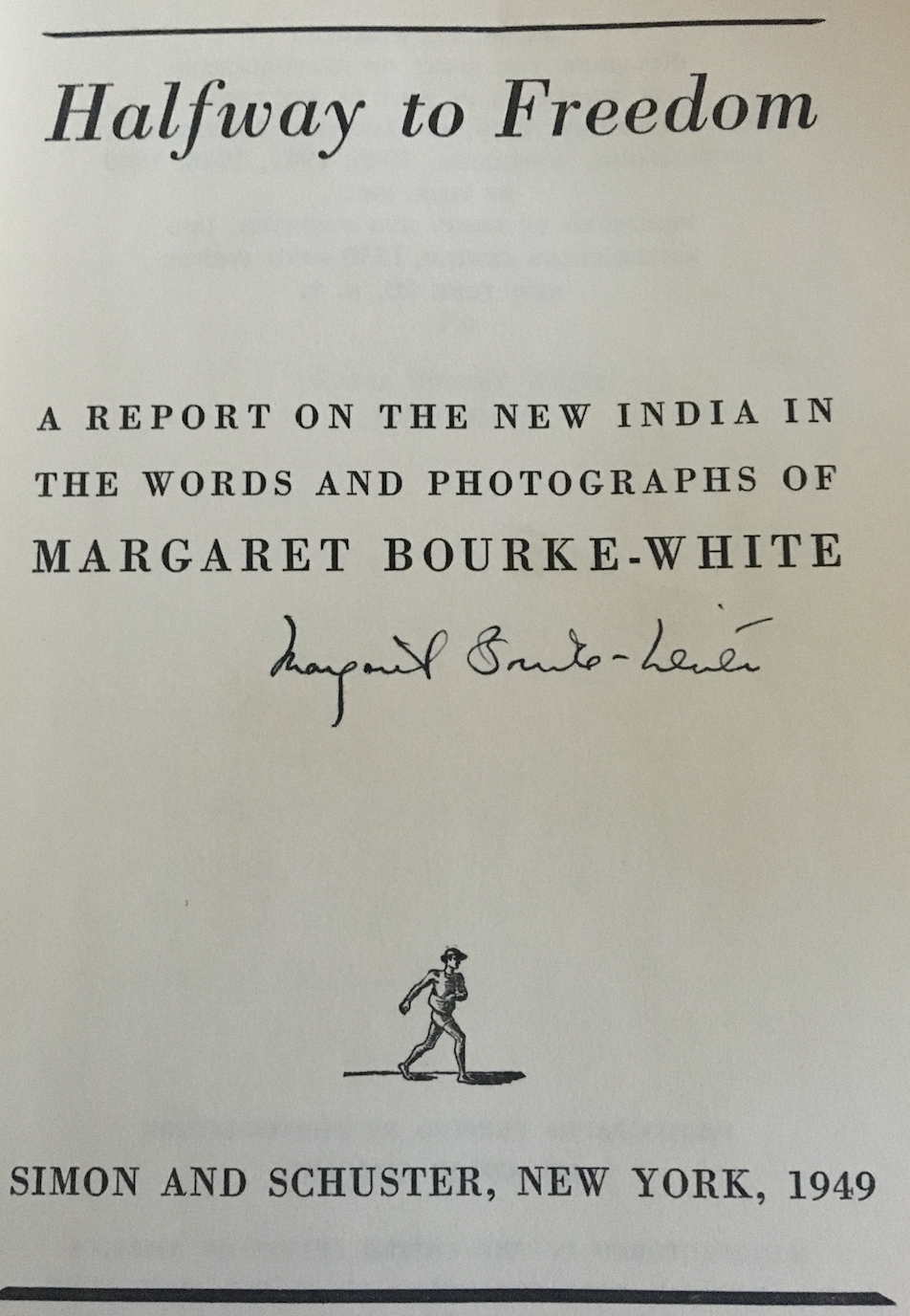
References to the acclaimed photographer can show up in unlikely places. At a Florida flea market, not long after buying their Middlesex home, the Edwardses found and bought an autographed copy of “Halfway to Freedom.” That Bourke-White book – which deals with life in India – was published in 1949.
Reminder
Subscribe to Inside – Middlesex. Enter your email address to subscribe to this blog and receive notifications of new posts by email. It is absolutely free.
Visit Inside – Middlesex on our new Facebook page.
.
 Inside - Middlesex
Leave a comment