If that Japanese Barberry or Burning Bush you planted in your yard is infringing on your neighbor’s property, you better rein it in. Otherwise, you might find yourself with a summons from the borough a year from now.
Middlesex Borough officials have begun a public education effort about the problems inherent with invasive plants. After discussing the issue at their Tuesday, March 11 meeting Mayor Jack Mikolajczyk and the Borough Council opted for a type of carrot-and-stick approach.
The education effort will try to convince local homeowners to opt for native species over invasive plants that can spread into adjacent properties. A year from now, if invasive species problems persist, the borough may use the prospect of fines to prod community compliance.
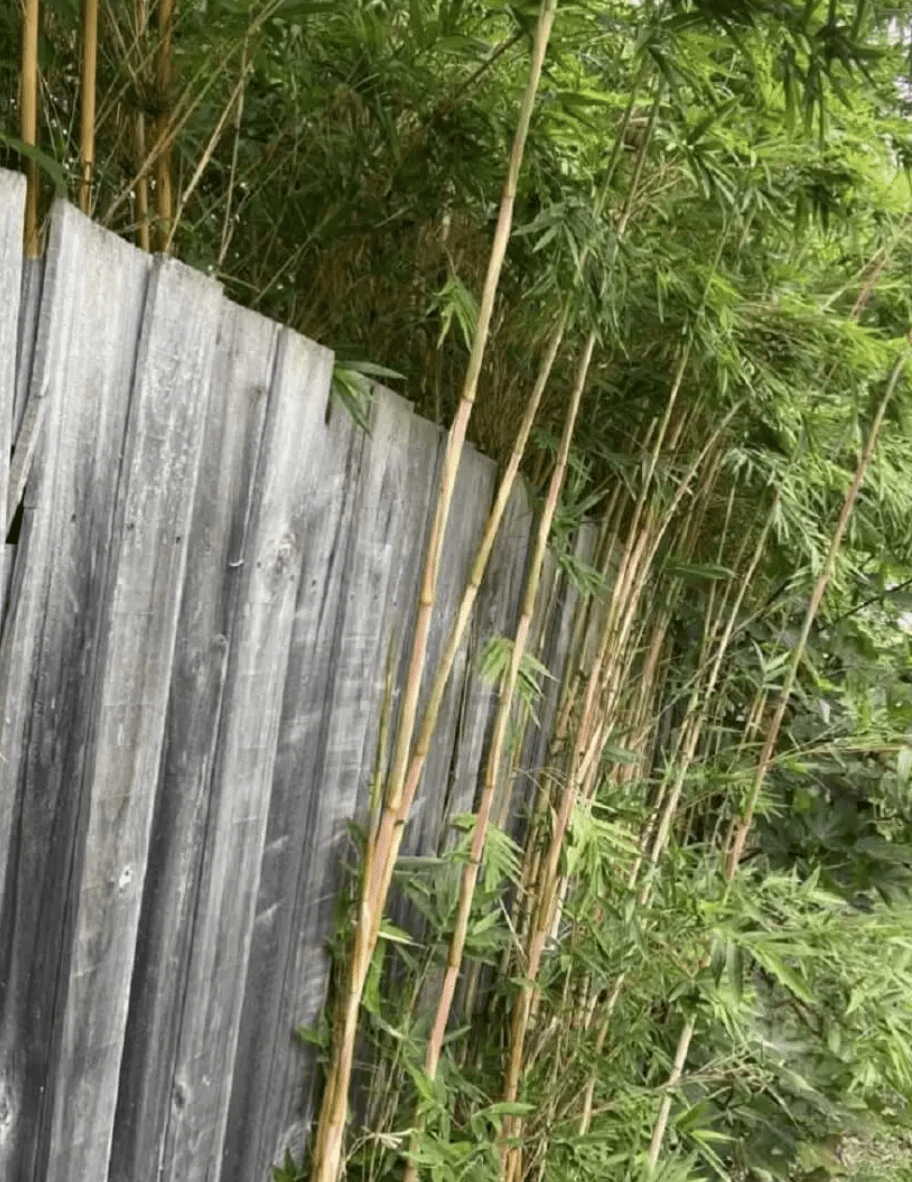
In 2016, the council adopted an ordinance to deal with problems caused by bamboo, perhaps the most common invasive plant species in New Jersey. The new campaign is geared at discouraging additional non-native species.
Environmental Commission Chairwoman Clare Levourne was quick to begin the information campaign. Levourne posted invasive plant information on community Facebook pages the day after the council meeting.
Invasive plants damage ecosystems. Gov. Phil Murphy vetoed proposed legislation in 2024 aimed at limiting their spread. Murphy asserted that the state Department of Environmental Protection should have been more involved in the drafting of the bill.
“The problem is, a lot of these plants escape your property,” Levourne told the council. “As the problem grows, it’s going to cost more and more to enforce.”
Levourne said invasive plants are often sold in big box stores, making them easily available. The invasive species that homeowners are urged to avoid include Japanese Barberry, Chinese Silver Grass, Linden Viburnum, Burning Bush, English Ivy and Japanese Wisteria.
Native species to New Jersey are preferable. They include: Birch, Flowering Dogwood, Redbud, Arrowwood, Blueberry and Christmas Fern.
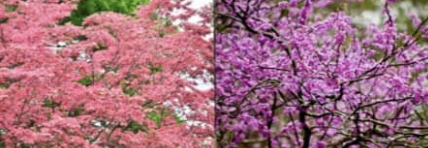
More extensive lists of invasive plants and native species were posted by Levourne on Facebook.
“Native plants have adapted to grow well in the areas where they are naturally found,” Levourne’s post reads. “Over 90 percent of plants rely on pollinators for help. By using and maintaining native plant gardens, New Jersey residents can entice pollinators of fruit, vegetables and other farmed crops.”
Officials appear inclined to ban invasive species from the grounds of new housing projects. Borough Administrator Michael LaPlace said the municipal site plan ordinance can be amended to prohibit their planting.
A review will also be done of the municipality’s bamboo regulating ordinance. That nine-year-old law was adopted to control bamboo growing. Those planting bamboo must take steps laid out in that law to prevent its spread.
No part of the plant can be closer than 15 feet to a property line. Violators who receive a summons and do not recctify the problem face a possible municipal court fine.
Some bamboo patches are quite visible in Middlesex. But one official wondered whether the ordinance has ever been wielded against a property owner.
Borough Attorney Chris Corsini said he has never been consulted on a case involving an alleged bamboo encroachment violation. Corsini has been municipal counsel since 2019.
“I would be curious if the borough ever issued a summons on this,” Corsini said. “No one has ever called me on it.”
Reminder
Subscribe to Inside – Middlesex. Enter your email address to subscribe to this blog and receive notifications of new posts by email. It is absolutely free.
Visit Inside – Middlesex on our new Facebook page.

 Inside - Middlesex
Leave a comment