Aside from learning of someone’s passing, the most heartbreaking phone message imaginable is when the house of someone you love is on fire.
I know the feeling well. One of those calls came my way in September 2011. My mom’s C Street home, the one I grew up in, was ablaze.
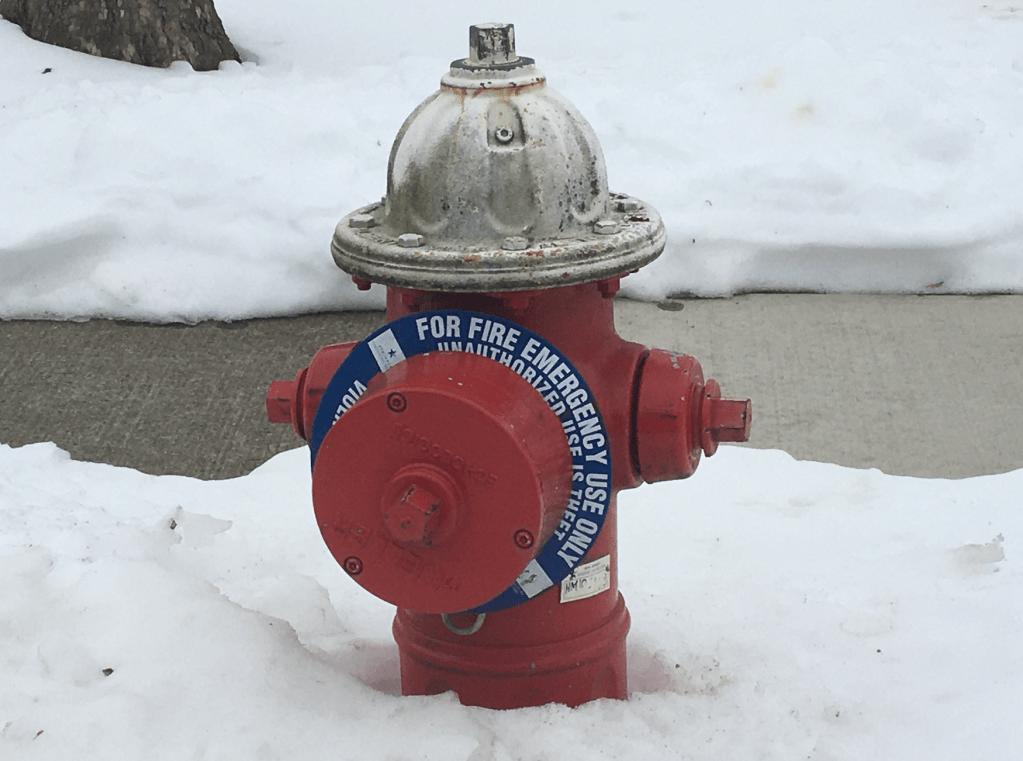
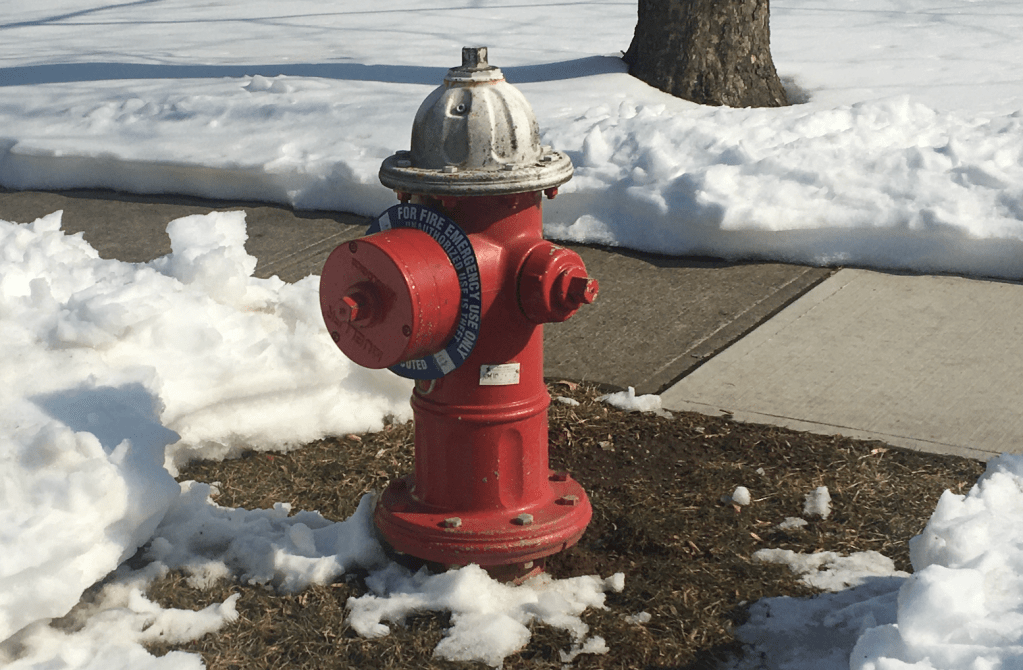
Memories of that gut-wrenching night came back to me recently as I sat in the audience at a Middlesex Borough Council meeting. Fire Chief Shawn Young was discussing a proposed ordinance with the mayor and council. That law will require homeowners to clear the snow surrounding any hydrants that are adjacent to their sidewalk or property.
Middlesex Fire Department members have traditionally handled this chore, along with all the other things they do for the community. Young noted that the MFD is down to about 50 members, not all of them active. Two decades ago, the borough had about 100 volunteer firefighters.
It’s a sign of the times. Volunteerism has taken a hit throughout Central Jersey. The council is crafting the ordinance and intends to adopt it in the future. It’s one way of giving the MFD a bit of relief. It doesn’t snow heavily all that often, and will mean one less thing for firefighters to do. Borough officials are even planning to get some type of assistance for any senior who might struggle to clear the hydrant near their property.
Keeping hydrants snow-free increases the MFD’s ability to quickly fight a fire. I’m here to vouch for the importance of speed in firefighting. I also owe borough firefighters a long overdue public thank you for the job they did 15 years ago extinguishing the fire at my childhood home.
A single house fire can require 40,000 gallons of water or more, according to online data, making hydrants the primary water source whenever they are available. There were no obstacles blocking the MFD’s water access during my mother’s house fire.
Days before that incident, Hurricane Irene struck the area. My mom’s home took on a bit of stormwater in the basement. Not a huge amount, but enough that floor fans were set up to dry out the wall-to-wall carpeting. I was told that faulty wiring from a past improvement project and wet electrical lines combined to cause the fire.
The home sustained damage, but was not burned to the ground thanks to the MFD’s efforts. One portion of the house sustained only smoke effects. My mom had been hospitalized for a while, battling health issues that would claim her life within a few weeks. Thank God she was not home at the time.
My father, who had passed away 10 years earlier, ironically had served as a Middlesex firefighter for decades. When I got to the scene, the blaze was pretty much extinguished. About four months later, the still fire-damaged home was sold to a local builder who eventually brought it back to a habitable condition.
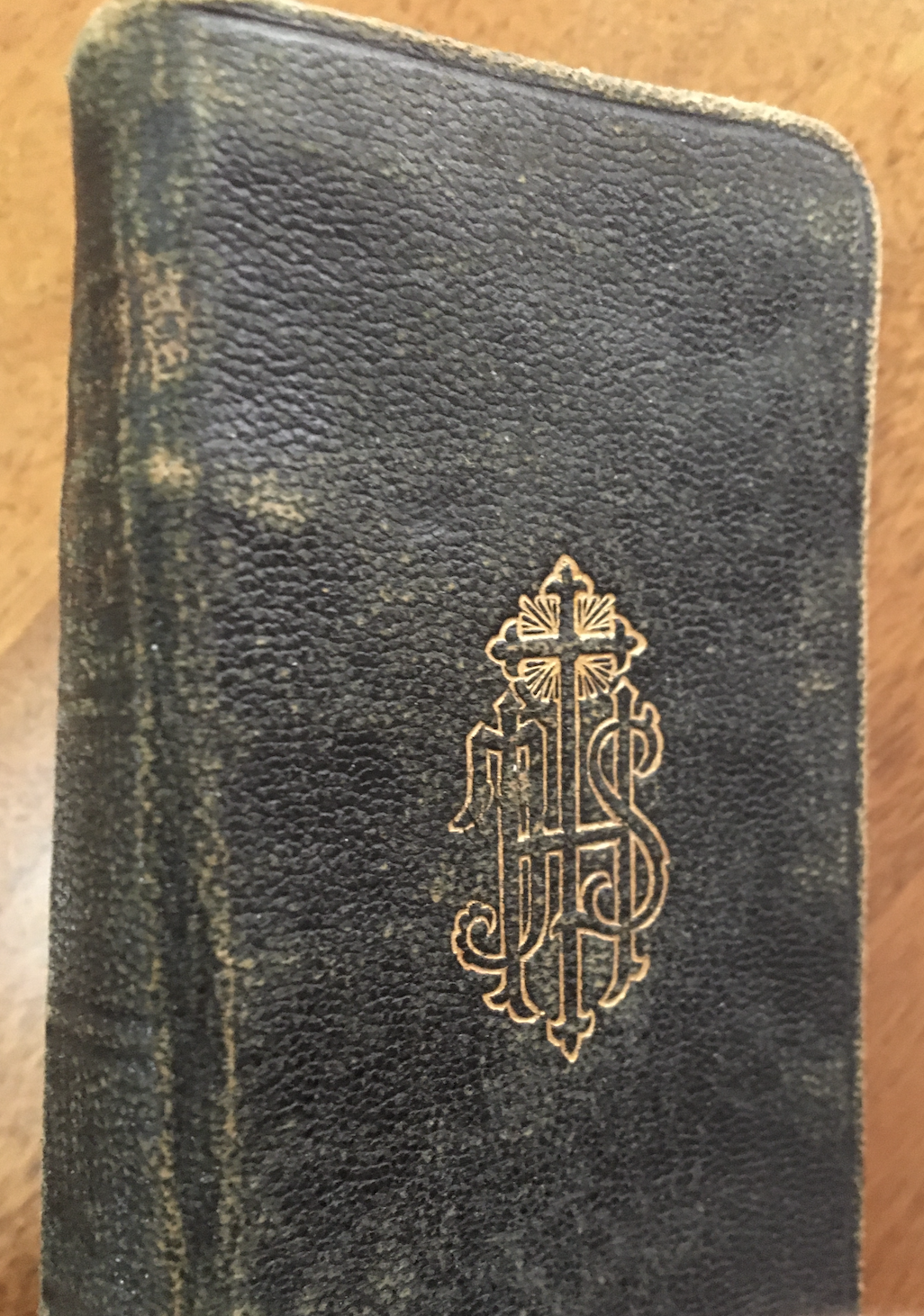
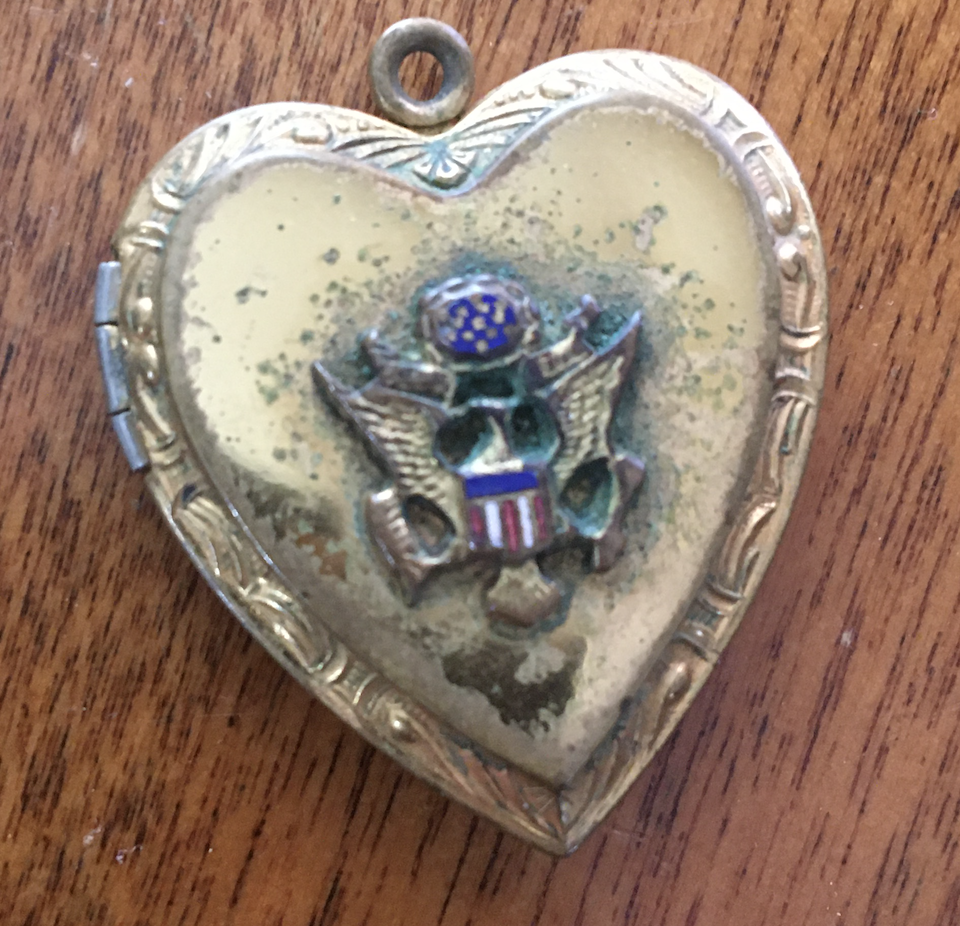
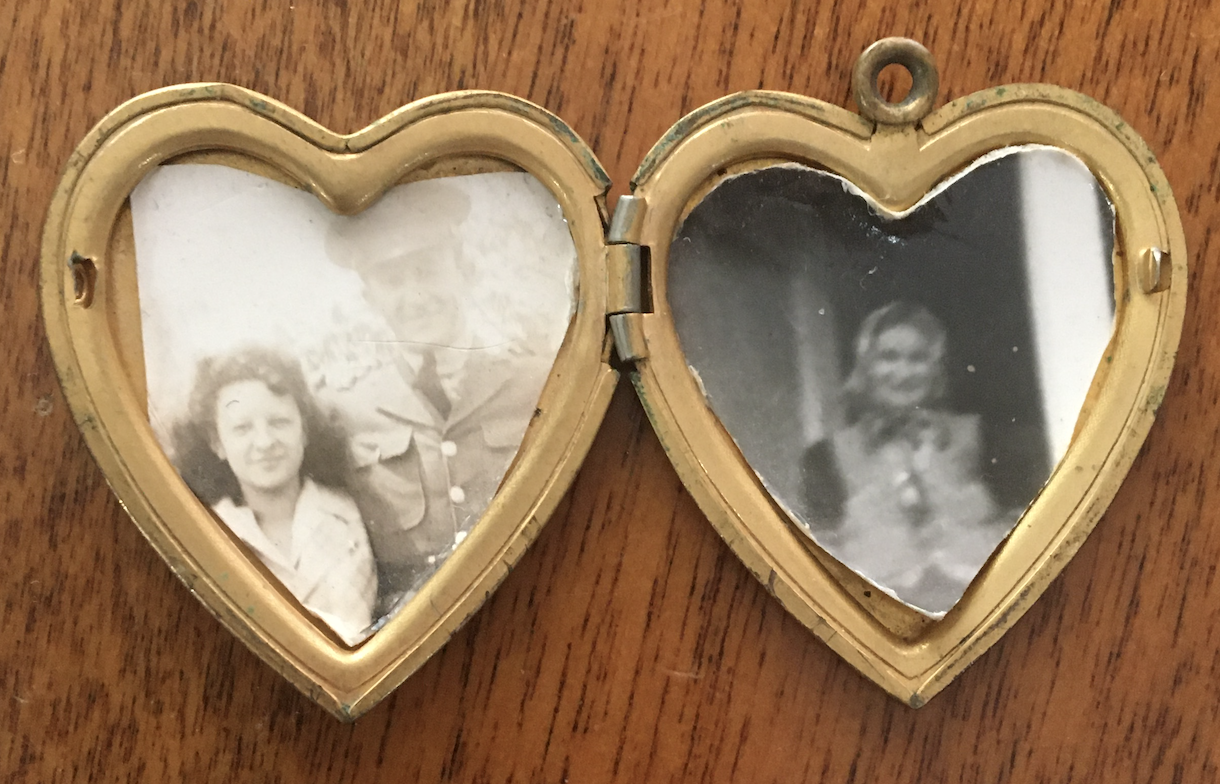
Shortly after the fire, an insurance adjustor went through the structure, cataloguing damaged items. From a dresser, she retrieved a small World War II-era locket that my mom’s brother had given her during his military service. It still contained small photos of my mom, uncle, and maternal grandmother who I never met. The adjustor also grabbed a small Polish-language Bible, apparently used by my dad when he attended parochial school in Manville during the 1930s.

I spent several emotional December 2011 days in the cold, burned-out shell of my childhood home, rummaging for anything else meaningful to salvage. I rescued my mom’s favorite wicker-seat living room chair, that was covered in smoke residue. On the day before the closing, I made one last trip into the attic.
There were still tarp-covered holes that had been cut in the roof by firefighters. Blue-tinted light poured through the holes, sort-of like skylights. There it was, an old cantaloupe crate that I’d used during my college years to hold record albums.
The crate contained no records. Instead, it held a messy pile of old photographs I’d never seen before. My mother had apparently stored the photos elsewhere during my youth and then transferred them to the crate after I moved out.
Many of the photos dated back to the 1930s and 1940s. Black-and-whites of my dad’s brothers in their youthful years. A couple of my father in his U.S. Navy uniform, apparently home on leave from the war. Another of an uncle I never met. Other snapshots of my mom’s relatives. Picking through the crate, there was also a pastel rendering of my father’s mom and dad, two grandparents who’d passed long before I was born.
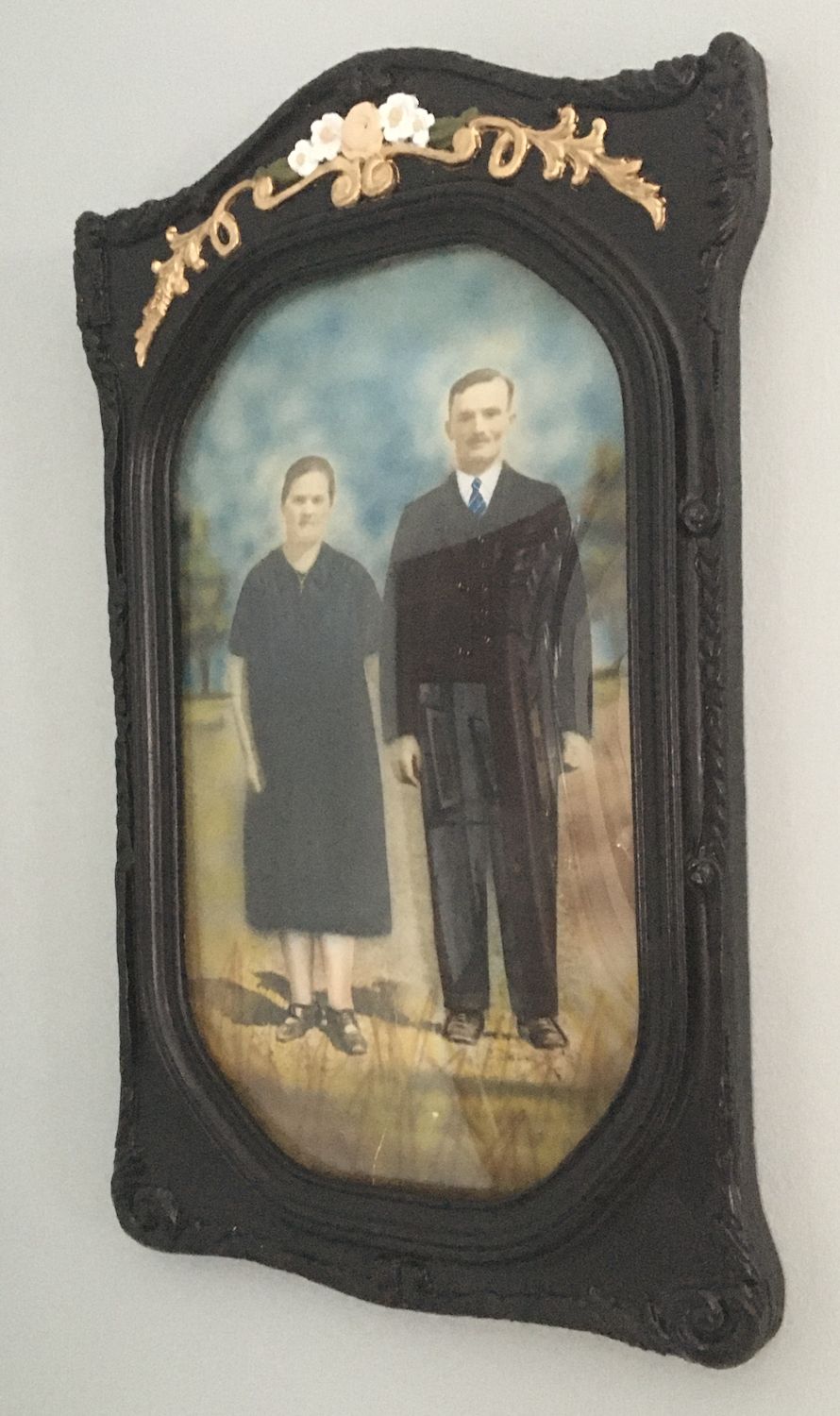
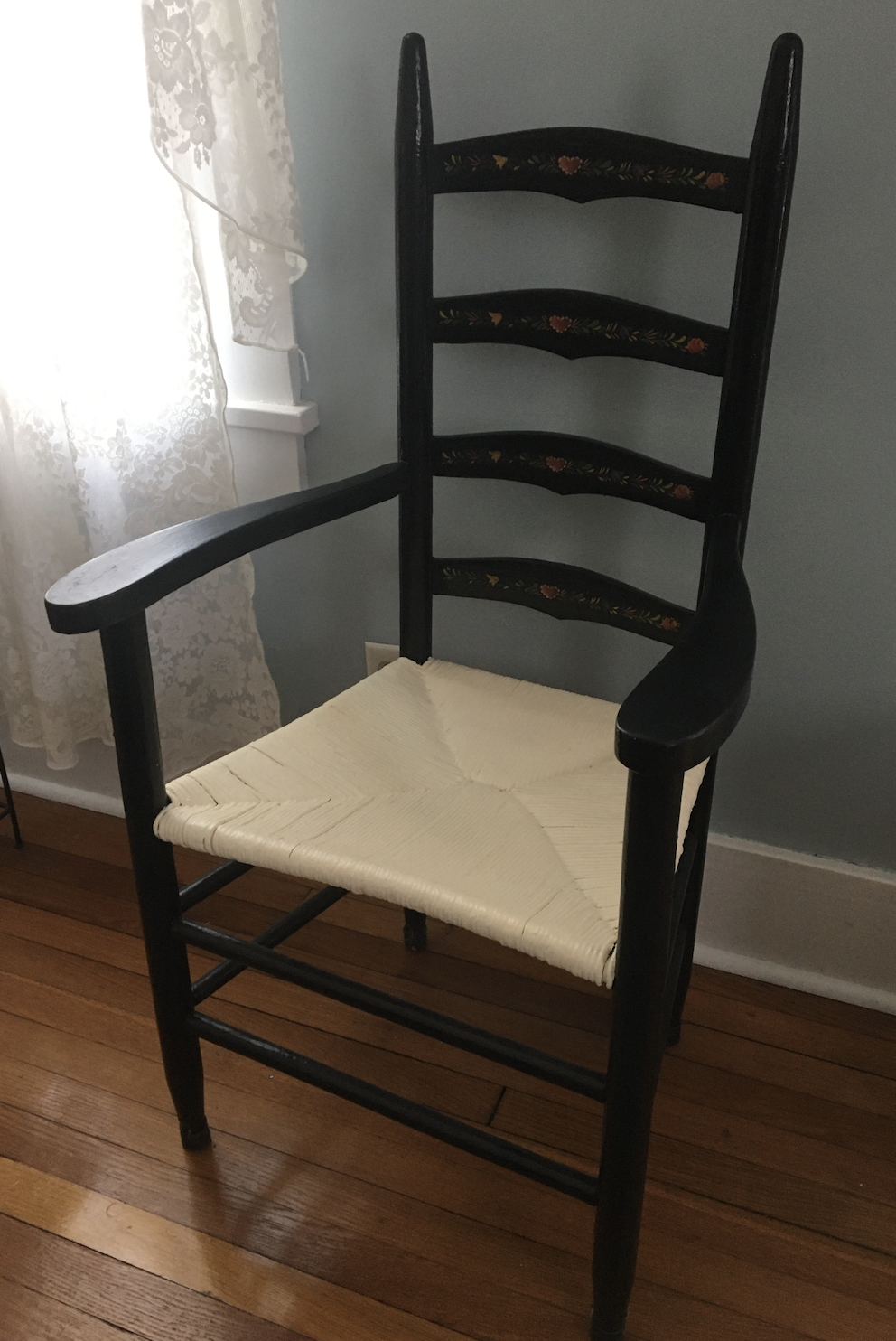
The old photos plus the locket, Bible and chair are now considered family treasures. One day, they will all be turned over to my daughters. I appreciate that I have these keepsakes only because of the efforts of Middlesex firefighters. On the late summer night of that 2011 fire, they responded and got right to work.
Clearing the snow away from a hydrant might not be your favorite thing to do on a bitter winter day. You might want to stay in the house, have a hot cup of coffee, and tune into that televised sporting event. If so, why not pay those neighborhood kids a few bucks to shovel the hydrant out?
It needs to be done ASAP after a snow storm. Hydrants tend to serve an entire neighborhood. If there’s one at the edge of your property, it protects your neighbors’ homes too, not just yours. Firefighters need speedy access to it. At the council meeting, it was mentioned that Piscataway first responders once spent precious time at a fire scene clearing snow away from a hydrant.
Life is the most important thing to be preserved during a structure blaze. There might be other things you’d also want saved, if your home were to catch fire. Willingness to spend a few minutes using a snow shovel on a winter day could make it all more likely.
Reminder
Subscribe to Inside – Middlesex. Enter your email address to subscribe to this blog and receive notifications of new posts by email. It is absolutely free.
 Inside - Middlesex
Leave a comment